
Craniocervical Instability Foundation
Welcome to the CCI Foundation — a dedicated hub for support, advocacy, and awareness for people affected by Craniocervical Instability (CCI).
CCI is a serious and often overlooked condition of the upper cervical spine. Many patients face long delays in diagnosis because access to advanced imaging is limited and clinical awareness remains low. The consequences can be life-changing, leaving some individuals housebound, bedbound, or heavily dependent on their families.
Our work focuses on funding research to improve diagnostics and treatments, educating healthcare professionals, and advocating for wider access to essential imaging tools such as upright MRI and DMX. Together, we aim to raise awareness, advance scientific understanding, and improve quality of life for those living with CCI.
What is Craniocervical Instability?
Craniocervical Instability (CCI) is a condition where the ligaments that support the junction between the skull and upper spine become weakened or damaged, causing excessive movement.
Craniocervical Instability (CCI) is a structural condition in which the ligaments and connective tissues that stabilize the junction between the skull (cranium) and the upper cervical spine (primarily the C1 and C2 vertebrae) become weakened, stretched, or damaged. This instability allows for excessive movement at the craniocervical junction, which can compress or irritate the brainstem, spinal cord, and nearby nerves.
CCI can be caused by trauma (such as whiplash), connective tissue disorders like Ehlers-Danlos Syndrome (EDS), inflammatory diseases, or develop after certain surgeries. Symptoms vary widely but often include:
-
Severe headaches (especially at the base of the skull)
-
Neck pain and stiffness
-
Dizziness, vertigo, or balance issues
-
Brain fog and cognitive difficulties
-
Visual or auditory disturbances
-
Nausea and gastrointestinal symptoms
-
Nerve pain, tingling, or weakness in the limbs
-
Autonomic dysfunction (e.g., POTS)
Because these symptoms overlap with other conditions and standard imaging may miss the instability, CCI is notoriously underdiagnosed. Specialized imaging—like upright MRI or digital motion X-ray (DMX)—is often needed for accurate diagnosis.
Without proper treatment, CCI can significantly impair quality of life. Treatment options range from physical therapy and bracing to surgical stabilization in severe cases.

Get Involved
Help us by raising awareness for CCI! Let us know how
you would like to be involved
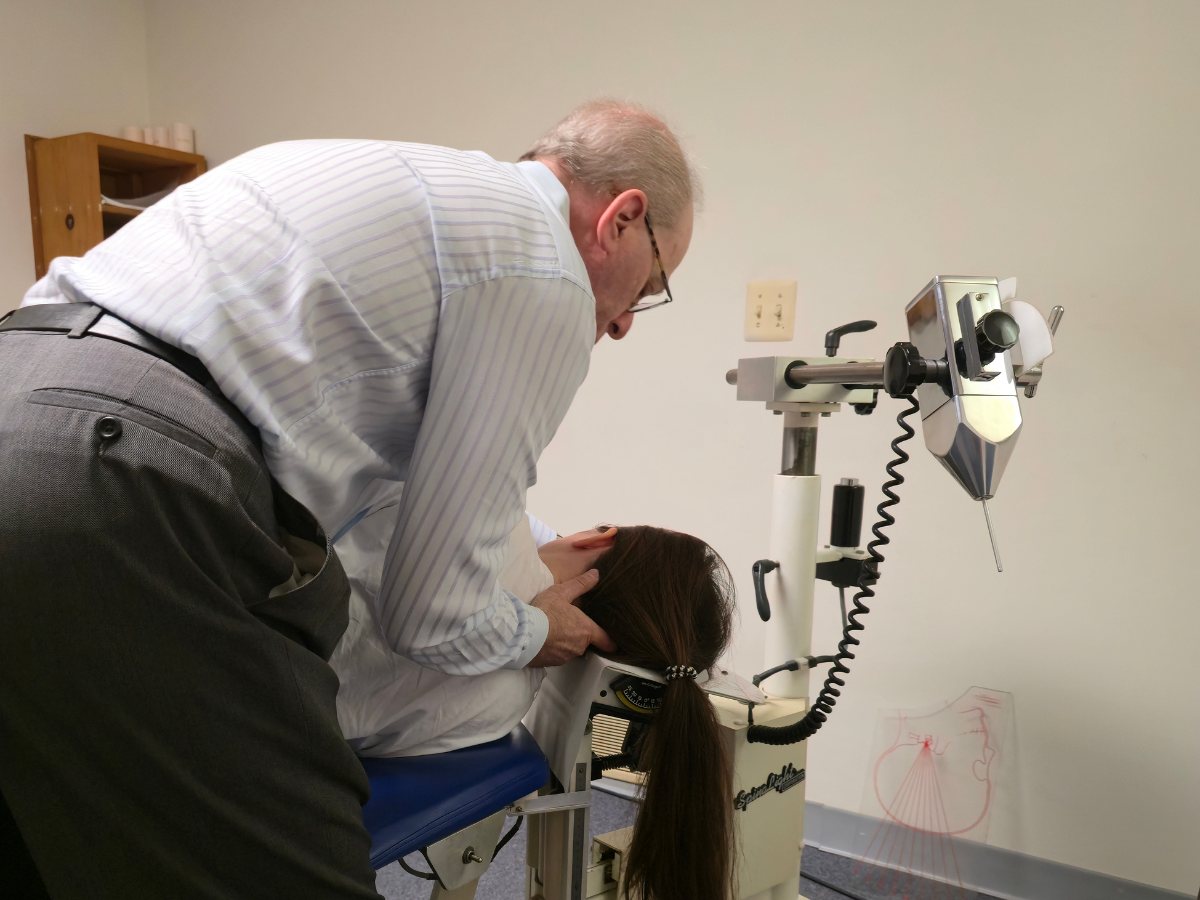
Locate professional
Search out the growing database of CCI specialized
medical professionals, imaging facilities and more.
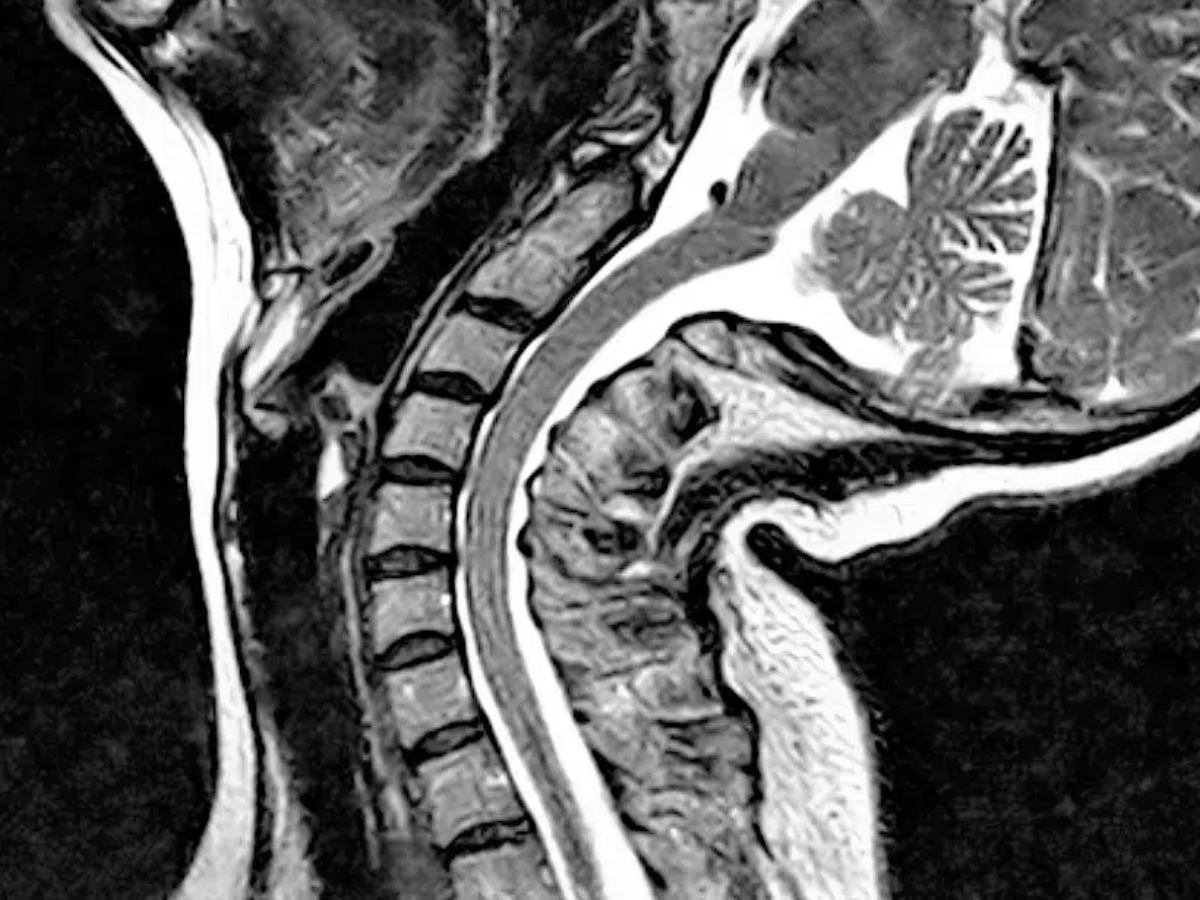
Learn
Learn about Craniocervical Instability, its causes,
symptoms and comorbidities.
Our Goals
Raising awareness among family, friends and doctors
Support patients in getting their diagnosis and treatment
Sponsor research on causes, diagnostics and treatment of CCI
News & Articles
No Results Found
The page you requested could not be found. Try refining your search, or use the navigation above to locate the post.